
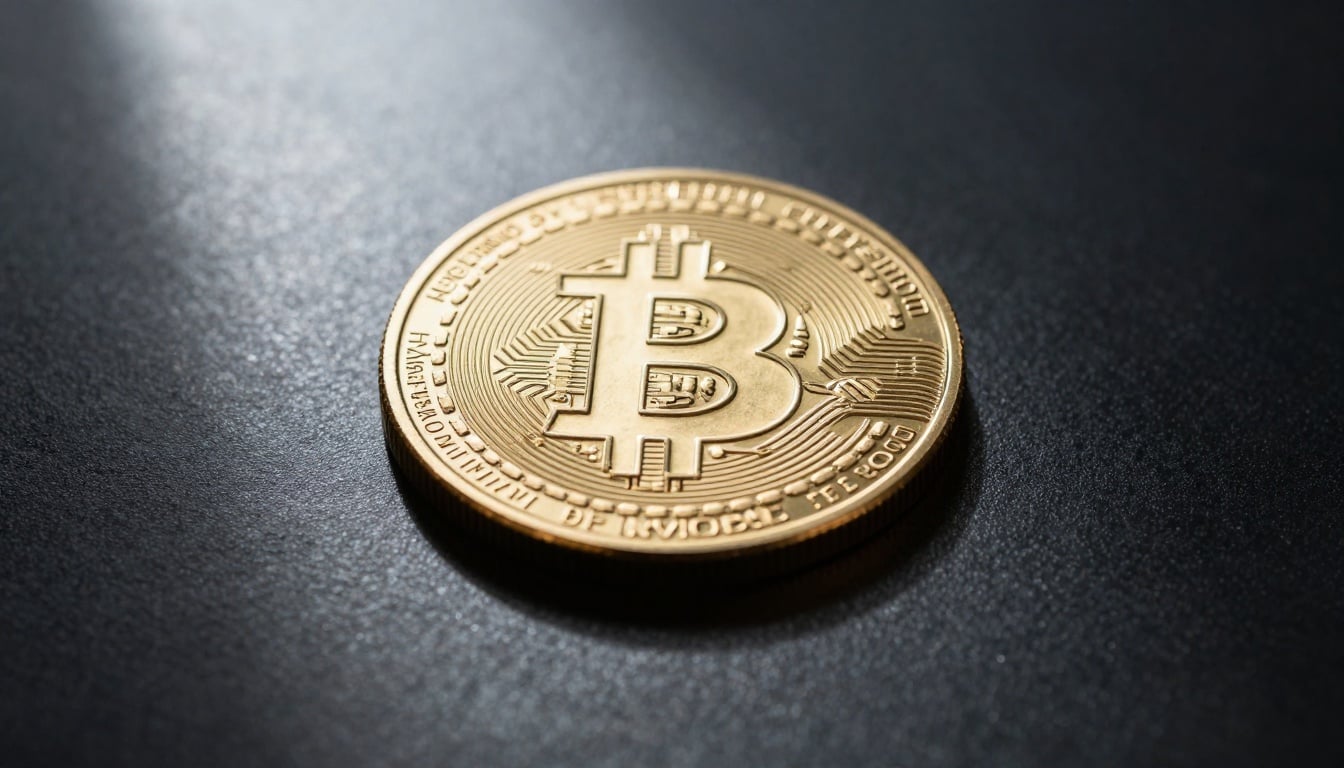
Bitcoin stands as the king of cryptocurrencies, shaping how we think about money in a digital world. Right now, in January 2026, it powers through ups and downs that grab headlines worldwide. “Bitcoin today” means checking its live price swings, how people feel about it, and how big players like banks are jumping in.
This piece dives into what drives Bitcoin’s market right now. We look at rules from governments that could help or hurt it. Plus, we cover tech upgrades keeping it strong. Stick around to see why Bitcoin still matters for your wallet.
Analyzing Today’s Bitcoin Market Dynamics
Current Price Action and Volatility Drivers
Bitcoin’s price sits at about $98,500 today, up 4% in the last 24 hours. Over the past week, it climbed 12% after strong U.S. jobs data eased recession fears. Big moves come from whales—those huge holders—who shifted 50,000 BTC to exchanges, sparking a quick dip before buyers stepped in.
What fuels these jumps? Macro news like Fed rate hints plays a big role. Exchange liquidity stays tight, with daily volumes at $45 billion, making even small trades push prices hard. You see, unlike stocks tied to company earnings, Bitcoin reacts fast to global events.
Volatility hits hard because it’s young. Traditional assets like gold move slow over years. Bitcoin can swing 10% in a day from a single tweet or policy shift. That risk draws thrill-seekers but scares off the cautious.
Investor Sentiment: Fear, Greed, and Market Positioning
The Crypto Fear & Greed Index reads 68 today—greed territory. This score, based on volatility and social buzz, shows folks feel upbeat after holiday rallies. Last month, it dipped to 40 during tariff talks, but now optimism rules.
Retail investors pile into longs, betting on gains. Platforms like Binance report 60% more buy orders than sells. Institutions, though, hedge with shorts; hedge funds added $2 billion in positions last week. Think back to the 2024 election—sentiment flipped from fear to greed overnight on pro-crypto wins.
You might wonder: how do you spot these shifts? Watch social media spikes or Google searches for “buy Bitcoin.” When greed hits extreme, it often signals a pullback. Balance that with your own research to avoid herd mistakes.
On-Chain Metrics: Assessing Network Health
Hash rate climbs to 650 EH/s, a sign miners trust the network’s safety. This measure of computing power keeps attacks at bay and shows confidence in future rewards. Transactions hit 450,000 daily, up 15% from last month, as users send value worldwide.
Active addresses top 1.2 million, matching peak adoption levels. The MVRV ratio sits at 2.1—fair value, not overheated like the 3.5 peak in 2021. This means holders bought at prices close to today’s, so selling pressure stays low.
These metrics paint a healthy picture. High hash rate means secure blocks every 10 minutes. Rising volume proves real use, not just hype. Track them on sites like Glassnode to gauge if Bitcoin’s foundation holds firm.
The Institutionalization of Bitcoin
The Impact of Spot Bitcoin ETFs
Spot Bitcoin ETFs changed the game since their 2024 launch. BlackRock’s iShares Bitcoin Trust leads with $35 billion in assets. Fidelity’s fund follows close, pulling in retail cash through simple stock trades.
Net inflows reached $12 billion in Q4 2025 alone. This flood of money from pensions and 401(k)s boosts prices without direct crypto buys. For traditional finance folks, ETFs mean no need for wallets—just call your broker.
You get easier access now. These funds hold real BTC, so demand ties straight to supply. Watch for outflow days; they often signal broader market cools. Overall, ETFs bridge old money to new tech.
Corporate Treasury Holdings and Custody Solutions
MicroStrategy holds 280,000 BTC as of January 2026, up from last year’s adds. They see it as a hedge against inflation, turning cash into a growing asset. Tesla keeps 12,000 BTC too, using it for payments in some regions.
Why do this? Companies face fiat devaluation; Bitcoin offers scarcity with just 21 million coins ever. Strategic moves like these signal trust and draw copycats. Smaller firms now allocate 5% of treasuries to crypto.
Custody matters big time. Coinbase Custody secures $200 billion in assets with cold storage and insurance. Fidelity Digital Assets offers similar setups, meeting bank-level standards. These tools let firms hold BTC without hack worries. Pick a trusted one if you’re a business eyeing the space.
- Key benefits of custody:
- Multi-signature wallets for extra safety.
- Regular audits to prove holdings.
- Compliance with SEC rules for peace of mind.
The Evolving Global Regulatory Environment
Major Jurisdictions: Navigating Clarity and Crackdowns
In the U.S., the SEC pushes clearer rules after 2025’s crypto bill. Trading stays open, but exchanges must report more. This helps build trust, yet fines hit non-compliant players hard last year.
Europe’s MiCA framework rolls out fully by mid-2026, licensing stablecoin issuers like Tether. It ties Bitcoin to safer rails, boosting EU adoption. Compare that to China’s full ban—traders there use VPNs, but volumes drop.
Stablecoins link to Bitcoin’s world. Regs on USDT could slow fiat ramps, affecting BTC buys. Watch U.S. stablecoin laws; they might cap growth if too strict. Clarity wins over crackdowns for long-term health.
Recent actions include the UK’s push for mining taxes. India tests a digital rupee side-by-side with BTC trades. These steps show governments want control without killing innovation.
Mining Regulation and Sustainability Concerns
Governments eye mining’s power use. Texas proposes caps on grid strain after 2025 blackouts. Kazakhstan tightens permits, forcing miners to greener sites.
But here’s the flip: 55% of Bitcoin mining runs on renewables now, per Cambridge data. Solar farms in Texas and hydro in Canada lead the way. Miners chase cheap, clean energy to cut costs.
Sustainability pushes help. Hash rate grows without fossil fuel spikes. You can back this by choosing pools that report green stats. Regs might slow ops short-term, but they push the industry cleaner.
- Green mining facts:
- Flare gas from oil fields powers 20% of rigs.
- Excess hydro in rainy seasons keeps costs low.
- Carbon credits let miners offset emissions.
Technological Developments and Layer 2 Solutions
Scaling Solutions: Lightning Network Adoption
The Lightning Network speeds up Bitcoin payments. It creates off-chain channels for instant, cheap transfers—think pennies per tx versus on-chain fees. You open a channel, send funds fast, then settle later on the main chain.
Capacity hits 5,200 BTC in January 2026, double from 2024. Channels number 18,000, linking wallets worldwide. Real uses pop up: El Salvador’s shops take LN for daily buys, cutting wait times.
Beyond trades, LN aids remittances. A worker in the U.S. sends $100 home in seconds for 1 cent. Adoption grows as apps like Wallet of Satoshi make it user-friendly. This scales Bitcoin for everyday cash.
Protocol Upgrades and Future Potential
Taproot, from 2021, boosts privacy and smart contracts on Bitcoin. Use it for complex deals without broadcasting details. Ordinals add NFTs to the chain, sparking debates but drawing artists.
Developer activity surges with 1,200 commits last quarter on GitHub. Funding from grants tops $50 million yearly. No big forks loom, but soft updates tweak efficiency.
These changes secure Bitcoin’s core. Watch for Schnorr signatures in more tools—they hide multi-sig from snoopers. Devs keep it robust, ensuring it lasts decades.
Conclusion: Charting Bitcoin’s Trajectory Forward
Bitcoin today blends wild price rides with steady institutional buys. Rules bring clarity that pulls in more money, yet macro shocks keep volatility alive. On-chain strength and tech tweaks show a network ready for growth.
Key forces? ETF cash flows and reg shifts drive ups, while economic news sparks dips. On-chain data like hash rate flags health.
For you as an investor, track ETF inflows weekly—they predict rallies. Eye reg news from D.C. and Brussels for risks. Dive into on-chain basics to spot undervalued moments. Bitcoin shines as your digital gold—scarce and borderless. Ready to add some? Start small, stay informed, and watch it build your future.